
Style
Can Layered Wigs Redefine Style, Safety, and Health for Modern Black Women?
Feb
In locker rooms before a championship game, every detail matters – the laces, the grip, the fit. For many Black women today, wigs have taken on that same performance-driven importance. They are no longer occasional accessories. They are daily gear – chosen for movement, realism, protection, and increasingly, safety.
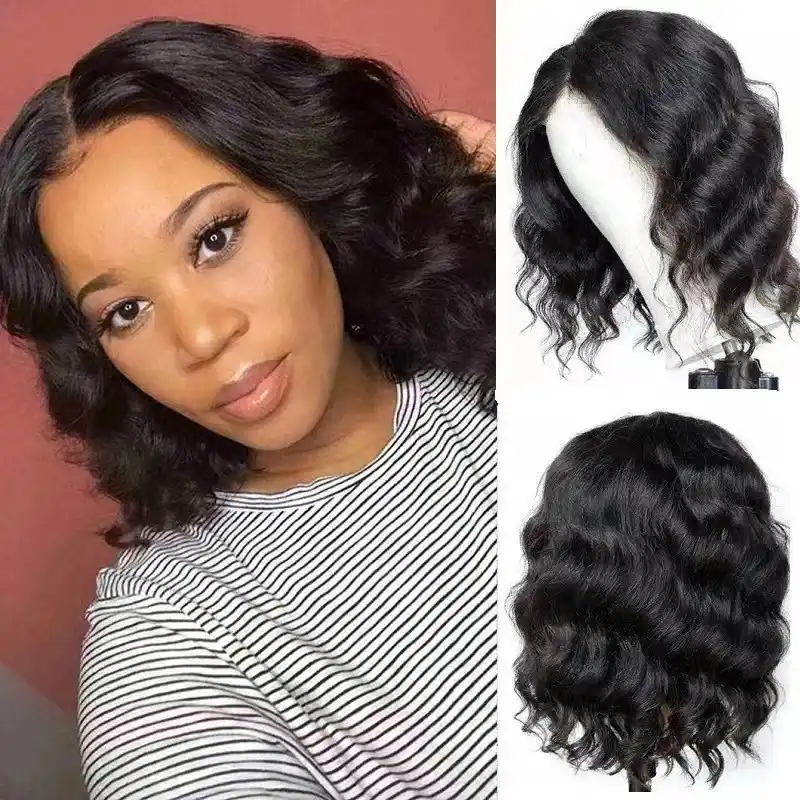
From social feeds to city sidewalks in Lagos, layered wigs have emerged as the new front-runners. But beyond the aesthetic shift lies a deeper story – one that touches on design innovation, global commerce, public health, and even personal security.
The Rise of the Layered Silhouette
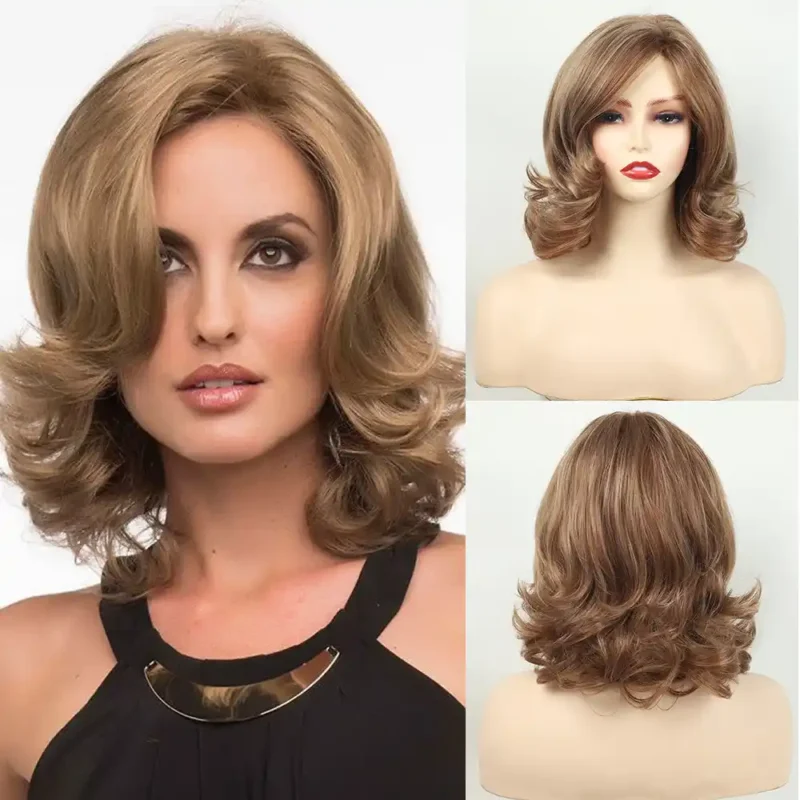
Over the past two years, the structured, heavy, uniform-length wig has steadily fallen out of favor. In its place: layered cuts that move like a well-trained athlete – responsive, balanced, alive.
Layering is not simply thinning or shortening hair. It is a calculated sculpting technique. Inner sections are subtly reduced in density, while outer layers retain their structure. The result? Lift at the crown. Lightness at the ends. Direction in motion.
When applied to wigs – from 14-inch bobs to 30-inch lengths – layering eliminates the telltale “helmet effect.” Single-length wigs tend to swing as one solid block. Layered wigs break that mass apart. They ripple in the wind. They respond to a turn of the head. They breathe.
This engineered movement is why layered wigs feel less like costume and more like extension.
Why Layered Wigs Are Winning
- Effortless Volume
Layers create lift without excessive styling. For women with flat crowns or finer textures, the architecture of the cut does the work naturally. - Face-Framing Precision
Strategic inward curves soften jawlines and cheekbones, shifting visual attention toward facial features rather than bone structure. - Proportional Balance
Layering subtly adjusts the head-to-shoulder ratio. It distributes visual weight, creating harmony whether the wearer is petite or statuesque. - Real-Life Performance
Commutes. Workdays. Date nights. Gym sessions. Layered wigs maintain shape under hats, scarves, and headbands. They resist flattening. They recover quickly.
This is less about fashion cycles and more about lifestyle evolution. The modern wearer wants realism, comfort, and mobility – not stiffness.
The Hidden Cost: Chemicals in Hair Extensions
Yet as wigs grow more central to daily identity, research is revealing troubling findings beneath the surface.
Scientists at the Silent Spring Institute recently tested 43 hair extension products – synthetic and human hair alike. Using non-targeted chemical analysis, researchers detected over 900 chemical signals and identified 169 compounds. Many had never before been documented in hair extensions.
Twelve of these chemicals appear on California’s Proposition 65 list – part of the Safe Drinking Water and Toxic Enforcement Act of 1986. Seventeen have been linked to breast cancer. Organotin compounds, rarely found in consumer products, were also detected.
Further research from the National Institute of Environmental Health Sciences has previously linked certain hair product exposures to increased uterine cancer risk, though direct causation in extensions remains under study.
The concern is not panic – it is transparency. Hair extensions are often treated with dyes, flame retardants, plastic stabilizers, antimicrobials, and pesticides. Ingredient disclosure remains inconsistent.
For stylists who handle products daily, dermal absorption risk may be higher. For wearers, heating synthetic fibers can release volatile organic compounds into the air.
The science is still evolving. But the presence of hazardous compounds demands regulation, labeling clarity, and industry accountability.
Global Supply Chains and Billion-Dollar Demand
Wigs are not a niche market. They are a global value chain.
India remains the largest exporter of human hair, sourced from temples and private collections. Much of that hair is processed in China before distribution to major consumer markets including Nigeria and the United States.
Premium wigs can cost thousands – even tens of thousands – of dollars. Some are handmade strand by strand over hundreds of hours. Others circulate in secondary markets, refurbished and resold.
The industry spans small salons, international trade routes, social media marketing, and celebrity influence. It generates enormous revenue – and remains lightly regulated.
A New Threat: Wig Snatching
In cities like Lagos, another challenge has emerged: wig snatching.
Motorcycle riders targeting women in traffic have reportedly stolen high-value wigs in broad daylight. As wig prices rival luxury handbags, theft has shifted accordingly.
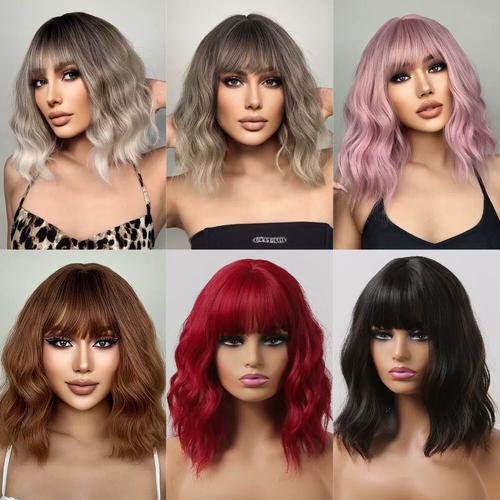
The longer and more voluminous the wig, the easier it can be grabbed. Resale is simple through informal beauty markets or social media.
In response, wearers are adapting:
Securing wig caps tightly
Using silicone grips for glueless styles
Wearing scarves in high-risk areas
Customizing wigs with embroidered initials
Avoiding unnecessary exposure in traffic
The wig, once purely aesthetic, has now entered the realm of asset protection.
Choosing Safer, Smarter Options
For those concerned about chemical exposure, experts suggest:
Looking for products labeled “non-toxic” or “toxic-free”
Limiting frequent use of synthetic fibers
Ventilating spaces when heat styling
Advocating for stronger cosmetic safety laws
Ultimately, responsibility should not fall solely on consumers. Transparent ingredient disclosure and stricter oversight are essential for long-term safety.
Beyond Beauty: A Cultural Balancing Act
Hair is deeply tied to identity, expression, and heritage. Protective styles and extensions are cultural anchors – not fleeting trends.
Yet today’s wearer faces a complex equation:
Style vs. safety
Convenience vs. chemical exposure
Luxury vs. theft risk
Expression vs. regulation gaps

Layered wigs symbolize progress in design – movement replacing stiffness, realism replacing rigidity. But they also highlight broader structural issues in manufacturing, policy, and urban safety.
The future of wigs will not be defined by length or texture alone. It will be shaped by innovation in safe materials, transparent supply chains, and smarter personal security.
Like athletes refining their gear season after season, modern women are demanding performance, protection, and authenticity from the products they wear.
