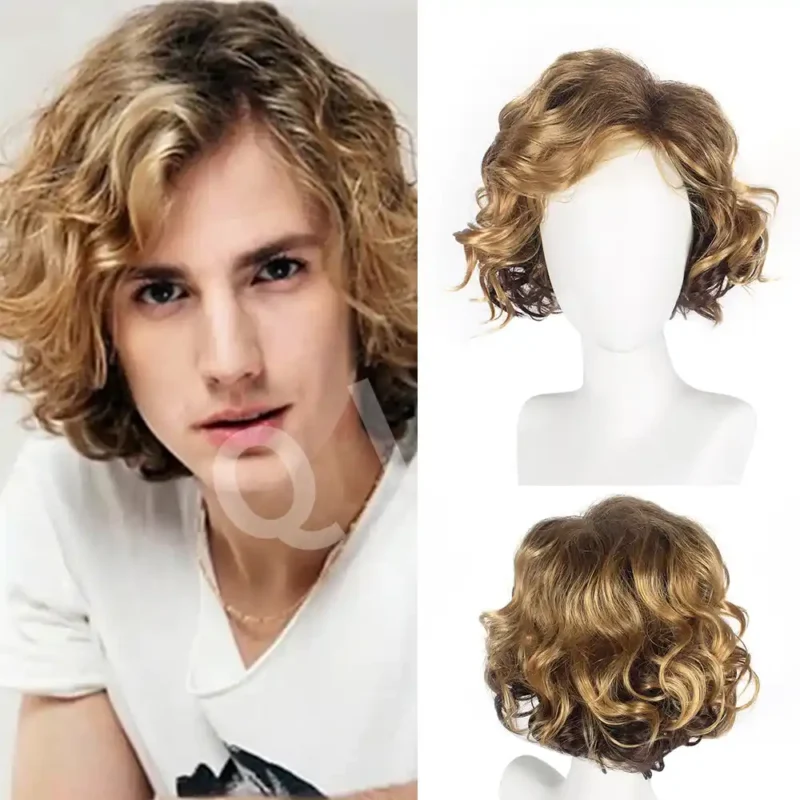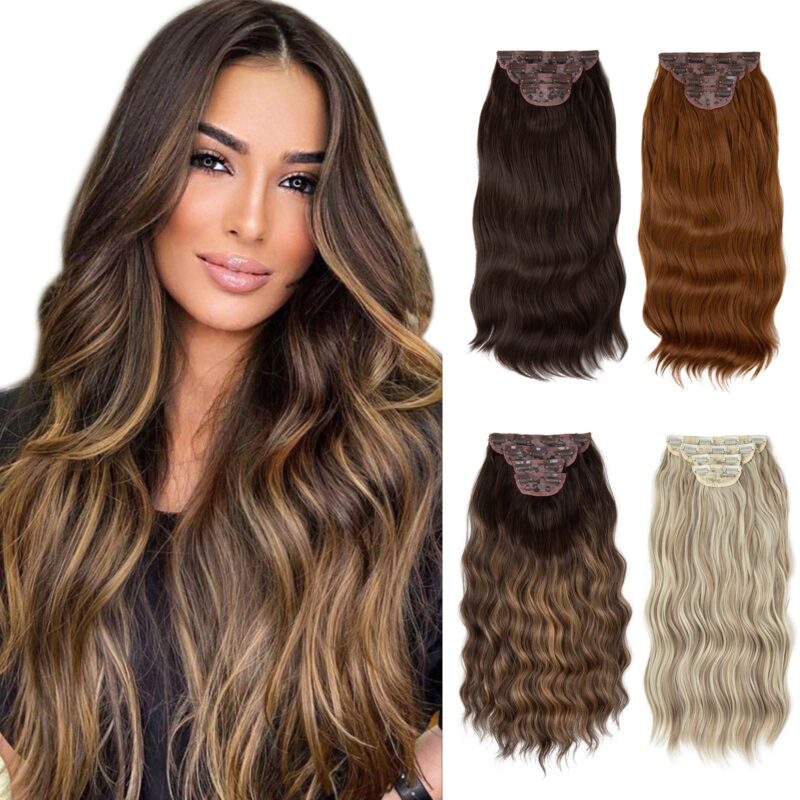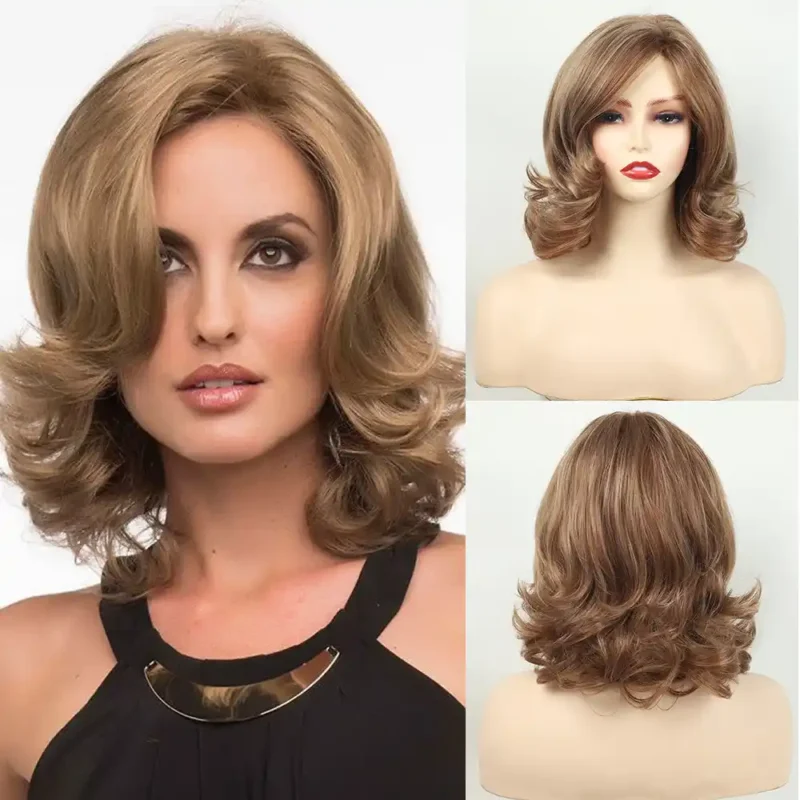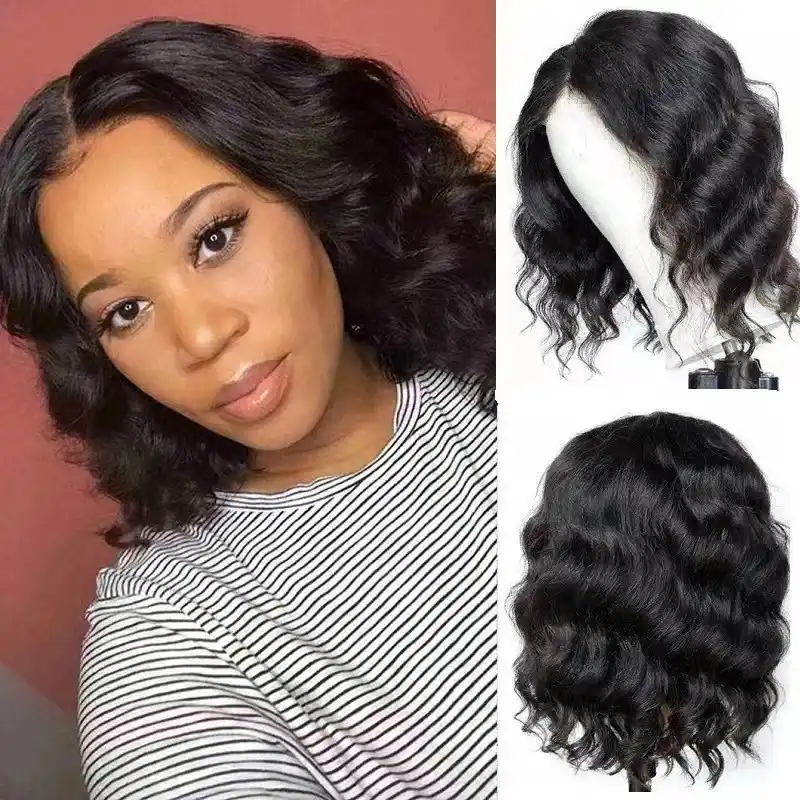
A Practical Guide to Reusable Human Hair Crochet Styles and Low-Maintenance Curly Wigs

Curly Wigs 2026

Protective styling has evolved beyond simply achieving a desired look. Many consumers now evaluate hairstyles based on longevity, versatility, and overall value. As a result, reusable human hair crochet styles have gained attention among shoppers looking for protective options that can be refreshed and worn again rather than replaced after a single installation.
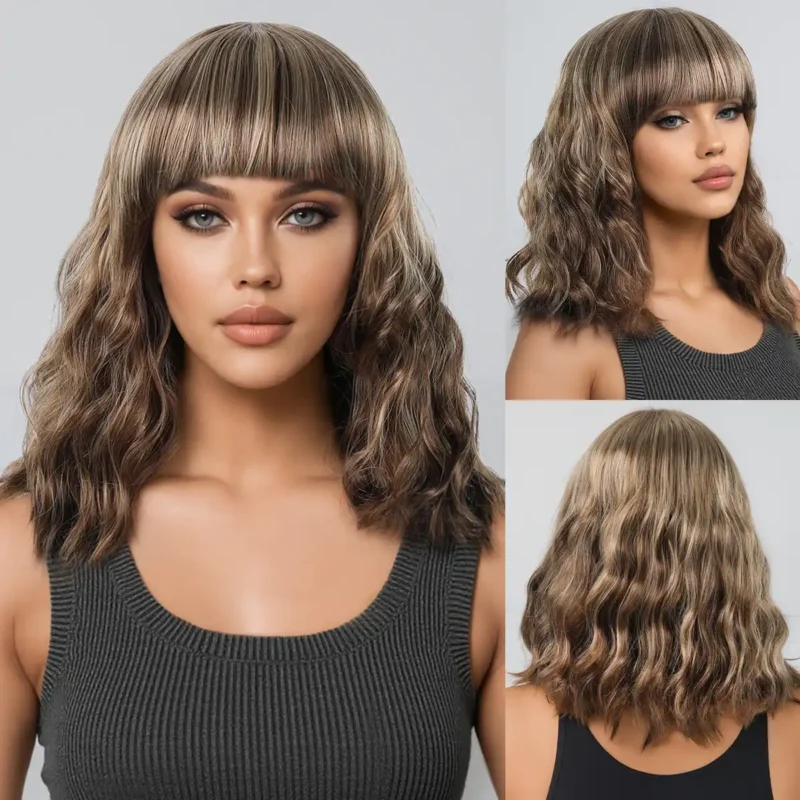
Newladywigs Hair, a brand specializing in human hair wigs, crochet hair, lace wigs, glueless wigs, and extensions, recently shared guidance on how consumers can extend the lifespan of human hair crochet styles through proper installation, maintenance, and storage. The company has also introduced a new Indian Curly Half Wig designed for wearers seeking a quick protective style with a natural appearance.

Why Reusable Human Hair Crochet Styles Are Gaining Popularity

Crochet hair has long been valued for its ability to create full, protective hairstyles while reducing daily manipulation of natural hair. Traditionally, many crochet styles have relied on synthetic fibers, which can be affordable and convenient but are often difficult to reuse once tangling, frizz, and wear begin to accumulate.

Human hair crochet extensions offer a different proposition. Because the hair retains many of the characteristics of natural human hair, it can often be washed, conditioned, detangled, and restyled after removal. While the initial investment is typically higher, the ability to reuse the hair may provide better long-term value for consumers who wear protective styles regularly.

That advantage depends heavily on maintenance. Reusability is not an automatic feature; it is the result of careful handling throughout the entire life cycle of the style.

What Determines Whether Crochet Hair Can Be Reused?

A crochet installation involves attaching extensions to a braided foundation using a crochet needle or latch hook. The durability of the finished style depends on several factors, including hair quality, installation technique, daily care habits, and removal practices.

Hair that is installed too tightly, overloaded with styling products, or removed carelessly may become difficult to reuse regardless of its original quality. Conversely, well-maintained human hair crochet can often remain suitable for future installations.

Professional stylists generally recommend viewing reusable crochet hair as a long-term beauty asset rather than a disposable styling accessory. That mindset often leads to better care practices and improved longevity.

Five Practices That Help Extend the Life of Human Hair Crochet Styles

Start With Quality Human Hair

The foundation of reusability is hair quality. Human hair crochet extensions typically provide more natural movement, softer texture, and greater styling flexibility than synthetic alternatives.

They are especially popular for bohemian-inspired styles, curly protective looks, and vacation-ready hairstyles where natural texture and versatility are priorities.

Choose a Texture That Matches Your Lifestyle

Different textures require different maintenance commitments.

Deep wave and Burmese curly textures create fuller definition but generally need more regular detangling and moisture management. Wet-and-wavy textures offer styling flexibility, while kinky straight textures may appeal to wearers seeking a more controlled, low-maintenance finish.

Selecting a texture that aligns with daily styling habits can significantly improve the likelihood of successful reuse.

Prioritize a Comfortable Installation

An installation designed solely for maximum fullness can sometimes compromise comfort and longevity.

Balanced spacing, a clean braid foundation, and moderate tension help create a natural appearance while reducing stress on both the extensions and the wearer’s natural hair. These factors also make removal easier and decrease the risk of unnecessary tangling.

Maintain Consistent, Gentle Care

Human hair crochet styles generally respond best to light but consistent maintenance.

Key practices include:

  • Keeping the scalp clean.
  • Using lightweight moisturizing products.
  • Detangling gently when needed.
  • Protecting the style during sleep.
  • Avoiding excessive product buildup.

Heavy oils, aggressive brushing, and prolonged exposure to moisture can shorten the usable lifespan of the hair.

Remove and Store the Hair Properly

Many reusable styles are lost during removal rather than wear.

Careful removal helps preserve the integrity of the hair. Once removed, the extensions should be detangled, cleansed when necessary, lightly conditioned, and allowed to dry completely before storage.

Storing hair in a satin bag, protective pouch, or organized bundle helps minimize tangling and keeps the hair prepared for future installations.

The Growing Appeal of Half Wigs as Protective Styling Alternatives

Alongside crochet styles, half wigs have become increasingly popular among consumers seeking protective styling with minimal installation time.

Newladywigs Hair recently introduced its Indian Curly Half Wig, a style designed to combine natural texture with everyday convenience. Rather than requiring adhesives or lace customization, the wig is designed for quick application while allowing a small amount of natural hair to blend at the front.

For many wearers, this approach offers a practical middle ground between full protective styling and daily manipulation of natural hair.

Key Features of the Indian Curly Half Wig

Virgin Human Hair Construction

The wig is made from virgin human hair, allowing it to retain a natural appearance and styling flexibility. Users can wash, heat-style, and customize the hair in ways that are generally not possible with many synthetic alternatives.

Natural Indian Curl Pattern

Indian curly textures are often appreciated for their balance of volume, definition, and movement. The curl pattern blends particularly well with many naturally curly and textured hair types, creating a more seamless appearance.

Beginner-Friendly Installation

Because the design eliminates the need for glue and lace application, installation can typically be completed within minutes. This makes the style attractive to consumers who want flexibility without a lengthy styling routine.

Minimal Leave-Out Design

The wig’s construction is intended to require only a small amount of natural hair for blending, reducing daily manipulation while maintaining a realistic hairline transition.

Breathable and Secure Wear

The drawstring cap is designed to improve airflow and provide an adjustable fit. This balance between comfort and stability is especially important for wearers who plan to use the wig regularly.

Protective Styling Benefits

Like many well-designed half wigs, the style helps shield much of the natural hair from heat exposure, friction, and daily handling. While no protective style eliminates the need for proper hair care, reducing manipulation can support healthier hair-maintenance routines over time.

Additional Curly Texture Options

Consumers interested in textured protective styles often have different preferences regarding volume, curl definition, and overall shape.
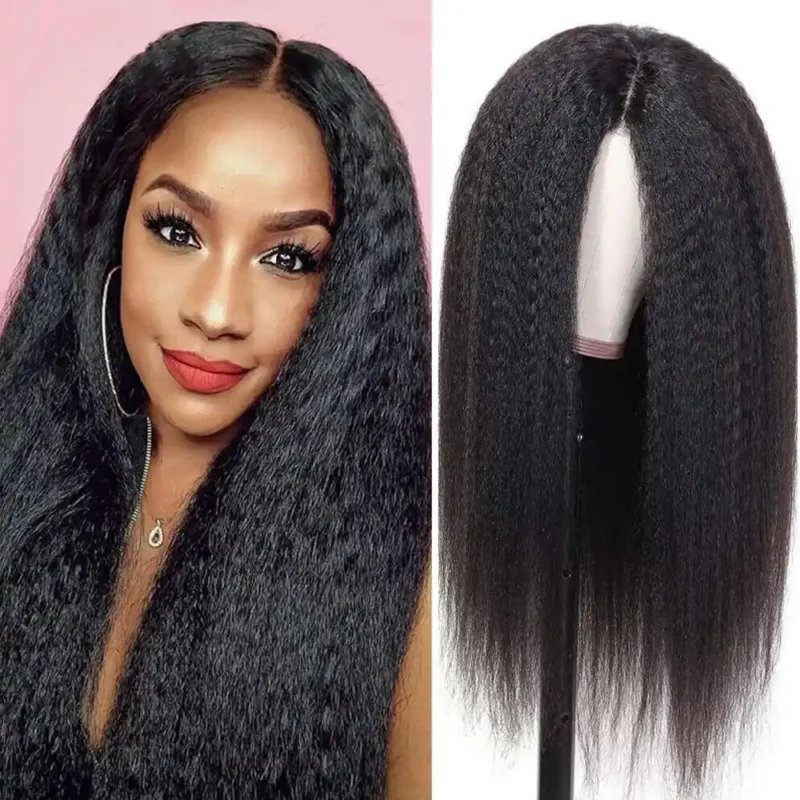
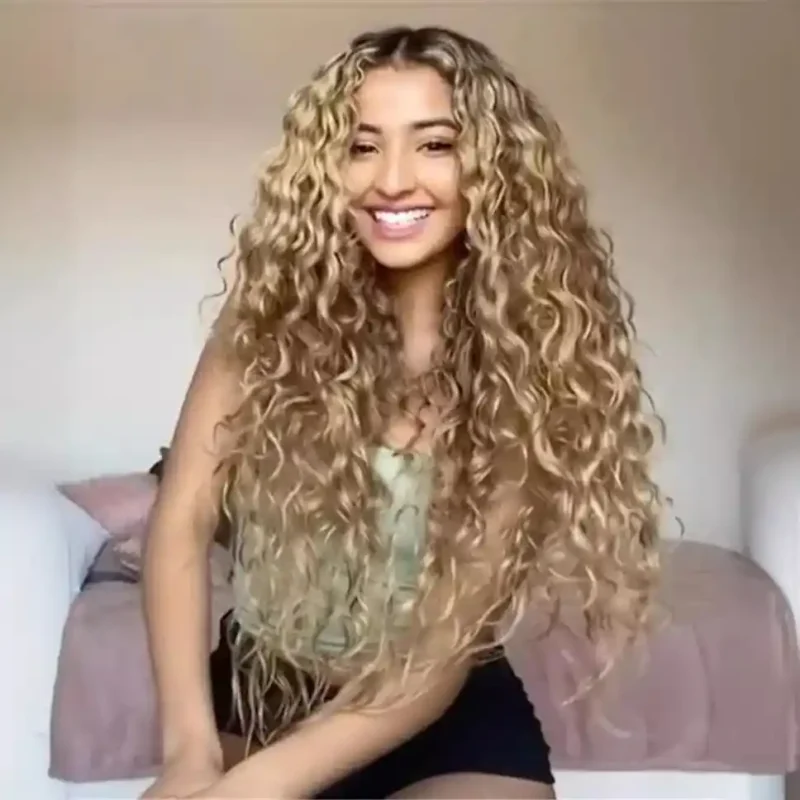
In addition to the Indian Curly Half Wig, Newladywigs Hair offers options such as Burmese Curly, Wand Curl, Kinky Curly, and Afro Curly textures. These styles are designed to accommodate a range of aesthetic preferences while maintaining the versatility associated with human hair products.

Value Beyond a Single Style

The growing interest in reusable crochet hair and versatile half wigs reflects a broader shift in consumer priorities. Shoppers increasingly want styles that deliver not only immediate visual results but also long-term practicality.

Whether choosing human hair crochet extensions or a curly half wig, the factors that matter most remain consistent: quality materials, thoughtful maintenance, comfort, and realistic expectations. When those elements come together, protective styling becomes less about short-term convenience and more about creating flexible solutions that support both appearance and hair health over time.
Why Glueless Human Hair Wigs Are Taking Over Prom Season in 2026

Human Hair Wigs 202605211

Open TikTok, Instagram, or even graduation photo dumps and you’ll notice the same thing popping up again and again: soft body waves, natural-looking lace fronts, and those polished “effortless” curls that somehow survive an entire night of dancing. A few years ago, that kind of look usually meant a long salon appointment and a lot of heat damage afterward. Now? Many Gen Z shoppers are skipping the salon entirely.

Between prom expenses, graduation parties, travel plans, and endless photo sessions, most people don’t want to spend hours styling hair that may only last one evening. That’s part of why glueless human hair wigs have exploded in popularity recently. They’re faster, easier, and a lot less intimidating for beginners than older lace-front installs used to be.

Some beauty editors have even described the shift as part of a broader move toward “low-effort luxury” beauty trends — polished looks that don’t actually require professional-level skills every morning.

Why Human Hair Wigs Became So Popular So Fast

The biggest change isn’t really the wigs themselves. It’s the convenience.

Traditional salon coloring, silk presses, or extensions can take hours and cost hundreds of dollars. A well-made human hair wig gives people flexibility without the same long-term commitment. Wear curls today, switch to a sleek middle part next week, then store it away until vacation photos start rolling around.

That versatility matters, especially for younger buyers.

According to information shared by American Academy of Dermatology, limiting excessive heat and chemical processing may help reduce long-term hair damage. Protective styling has become a major conversation online partly because of that.

At the same time, nobody wants a wig that looks obviously fake. That’s where newer HD lace designs started changing things.

The Rise of “Undetectable” Lace

A few years ago, even expensive wigs could still look overly shiny or bulky under direct lighting. Camera flashes made it worse.

HD lace changed the game a bit.

The material is thinner and more transparent than older lace bases, which helps the hairline blend more naturally against different skin tones. Some brands also pre-pluck the hairline and pre-cut the lace now, which removes one of the most frustrating parts of installing a wig yourself.

Not gonna lie, that alone has probably convinced thousands of beginners to finally try one.

Here’s a quick breakdown of the most common wig types shoppers compare today:

Wig TypeBest ForMaintenance LevelNatural Appearance
Glueless WigBeginners, daily wearLowHigh
HD Lace WigInvisible hairline lookMediumVery High
Full Lace WigStyling versatilityHighVery High
Closure WigSimple installsLow-MediumNatural
Synthetic WigBudget stylingLowModerate

The interesting part is that many younger shoppers aren’t buying wigs only for fashion anymore. Some wear them for convenience. Others use them for protective styling, hair loss concerns, travel, or simply because they enjoy changing looks frequently without damaging their natural hair.

Trying Luvme Hair’s “All-Day Curl Hold” Wig

I’ll admit it: I usually avoid lace fronts whenever possible.

Not because they can’t look beautiful. They absolutely can. I just don’t enjoy the process of gluing everything down, trimming lace, blending knots, and hoping the hairline still looks natural by the end of the day.

So when Luvme Hair introduced its “All-Day Curl Hold” collection, I was curious but skeptical.

The main promise sounded almost too convenient:
pre-styled curls straight out of the box that supposedly last 12 hours or more.

That kind of claim usually makes beauty writers raise an eyebrow a little.

The wig I tested was a 14-inch glueless body wave unit with pre-cut HD lace and a 7×6 closure. Straight out of the packaging, the lace actually looked surprisingly thin and realistic. No overly visible knots. No stiff hairline. Even better, the curls didn’t have that overly sprayed “helmet hair” look some pre-styled wigs end up with.

The length also felt practical. Shoulder-length wigs don’t always get enough attention, honestly. Longer units photograph beautifully, but they’re not always realistic for everyday wear, especially during warmer months.

First Impressions After Installing It

The biggest surprise wasn’t the curls.

It was the comfort.

Even without glue, the wig felt secure enough to wear around all day. The adjustable straps and silicone grip lining made a noticeable difference, especially for someone who normally avoids lace installs altogether.

I did still customize the lace slightly with foundation powder and trimmed tiny corners near the hairline. That helped the blend look softer under natural lighting.

A little hot comb work around the middle part also improved the shape. Nothing major, though. The wig already looked fairly polished before any extra styling.

And thankfully, the flyaways were easy to tame with light hairspray.

Did the Curls Actually Last?

Surprisingly… yes.

After wearing the wig from daytime errands into late evening, the curls still held their shape extremely well. I expected at least some flattening around the ends, especially after brushing through the hair a few times, but the bounce stayed intact longer than I thought it would.

That doesn’t mean the wig is magically maintenance-free. No wig really is.

Still, compared to many human hair units that lose definition after a few hours, this one performed better than expected.

After washing, the curls loosened into softer waves, which is normal. Re-curling the hair with the included heatless rollers brought the original shape back pretty easily once the wig air-dried.

Minimal shedding during washing was another good sign.

Who These Wigs Work Best For

Honestly, probably more people than you’d expect.

Beginner wig wearers are the obvious audience, especially those intimidated by glue installs or complicated lace customization. Busy students, working professionals, frequent travelers, and even moms juggling chaotic schedules would probably appreciate the convenience too.

That “ready in ten minutes” appeal matters more than brands sometimes realize.

And while ultra-long dramatic wigs dominate social media videos, many shoppers quietly prefer styles that actually fit into everyday life. Office meetings, airport travel, coffee runs, graduation ceremonies — those situations usually call for something softer and easier to manage.

The beauty industry keeps moving toward realism. You can see it everywhere now: softer makeup, skin-focused beauty routines, natural textures, less obviously “done” hair.

Wigs are evolving alongside that shift.

For many people, modern human hair wigs aren’t really about hiding anything anymore. They’re about flexibility, convenience, and confidence. A good unit lets someone experiment with style without committing to bleach, excessive heat, or expensive salon maintenance.

As for Luvme Hair’s All-Day Curl Hold wig, the biggest strength is probably how approachable it feels. The lace blends well, the curls genuinely last longer than expected, and the overall installation process feels far less stressful than traditional lace fronts.

Is it perfect? No. A little customization still helps, especially around the lace and parting area.

Is Braiding Hair Truly Safe?

In recent years, growing scrutiny of personal care products has extended beyond traditional cosmetics to include braiding hair—an essential component of protective styling widely used across diverse communities. Laboratory investigations conducted in 2025 and expanded in 2026 have revealed the presence of potentially hazardous substances in a wide range of braiding hair products, including synthetic fibers, human hair, and plant-based alternatives. These findings raise critical questions about product safety, long-term exposure, and the adequacy of existing regulatory frameworks.

This article provides a comprehensive, technically grounded analysis of the available data, examining contamination profiles, exposure mechanisms, and broader industry implications.

Testing Methodology and Analytical Framework
To better understand potential risks, researchers evaluated 30 commercially available braiding hair products sourced from 29 brands. The selection included synthetic fibers, human hair, and plant-based materials marketed as safer alternatives. Each product underwent triplicate testing, resulting in 90 total samples to ensure statistical reliability.

The analytical scope focused on three primary categories:
Heavy metals: lead, arsenic, and cadmium
Volatile organic compounds (VOCs): a panel of 65 chemical compounds
Microbiological contaminants: bacteria and potential pathogens

A key aspect of the methodology was the adoption of a hand-to-mouth exposure model, designed to simulate realistic usage conditions during braiding. This approach reflects common behaviors observed in both professional and at-home styling environments, including prolonged manual handling and incidental contact with the face or mouth. While not exhaustive of all exposure routes, this model provides a conservative baseline for risk estimation.

Prevalence of Contaminants Across Product Categories
The findings indicate that contamination is not limited to a specific material type but is instead widespread across all categories tested.
Heavy metals were detected in 29 of the 30 products analyzed, with lead present in nearly every sample. Notably, human hair products exhibited the highest concentrations, challenging the common perception that they represent a safer alternative to synthetic fibers. Only one product demonstrated no detectable levels of the tested metals, suggesting that contamination is avoidable but not yet industry standard.

In parallel, all products contained measurable levels of VOCs. Among the compounds identified were benzene, dichloromethane, and toluene—substances associated with carcinogenicity, neurotoxicity, and respiratory irritation. Although most detected concentrations fell below established reference thresholds, their universal presence underscores systemic exposure potential.

Synthetic Fibers
Synthetic braiding hair, typically derived from petrochemical polymers, displayed variable heavy metal content. While some products demonstrated comparatively lower levels, the presence of VOCs remained consistent across all samples. These compounds may originate from manufacturing processes, chemical treatments, or residual solvents embedded within the fiber matrix.

Human Hair
Human hair emerged as the most concerning category in terms of heavy metal accumulation, particularly lead. This phenomenon can be attributed to the biological properties of hair fibers, which readily absorb and retain contaminants through both internal (bloodstream) and external (environmental) pathways.

Given that much of the global human hair supply originates from regions with varying environmental and industrial standards, contamination may reflect exposure to polluted air, water, cosmetics, or occupational hazards prior to collection. Without rigorous post-harvest purification protocols, these contaminants persist in the final product.

Plant-Based Alternatives
Plant-derived fibers, often marketed as eco-friendly or non-toxic, were not exempt from contamination. Trace levels of heavy metals were detected in several samples, likely due to soil composition, agricultural inputs, or environmental pollution. This finding highlights the limitations of material substitution as a standalone safety strategy.

Toxicological Implications
The presence of heavy metals and VOCs carries well-documented health implications, particularly under conditions of repeated or prolonged exposure.
Lead, for example, is a cumulative toxicant with no established safe exposure threshold. Chronic exposure has been linked to neurological impairment, cardiovascular disease, kidney dysfunction, and reproductive toxicity. Arsenic, classified as a human carcinogen, is associated with pulmonary, dermatological, and systemic health effects. Cadmium exposure can result in renal damage and skeletal degradation.

VOCs, meanwhile, present both acute and chronic risks. Short-term exposure may cause irritation of the eyes, skin, and respiratory tract, while long-term exposure to certain compounds—including benzene—has been associated with cancer and central nervous system damage. Importantly, the emission of VOCs can increase when hair is subjected to heat during styling, amplifying inhalation risks for both users and stylists.

Multiple Exposure Pathways
While ingestion-based modeling provides a useful reference point, real-world exposure is multifaceted. Individuals using braided hair may encounter contaminants through several pathways:
Dermal absorption from continuous contact with the scalp and skin
Inhalation of airborne compounds released during heating or manipulation
Hand-to-mouth transfer during installation or maintenance
Enhanced absorption through compromised skin barriers caused by tight braiding

These pathways operate simultaneously, contributing to cumulative exposure over extended periods. Given that braiding styles are often worn for weeks or months, the duration of contact further compounds potential risk.

Cumulative Exposure and Risk Assessment
A critical consideration in evaluating safety is the concept of cumulative exposure. Braiding hair does not exist in isolation; it represents one of many potential sources of chemical contact in daily life. When combined with exposure from food, air, water, and other personal care products, even low-level contaminants may contribute to an elevated overall burden.

This cumulative perspective complicates risk assessment, as it challenges the adequacy of evaluating individual products based solely on isolated exposure thresholds. It also underscores the importance of minimizing avoidable sources of contamination wherever possible.

Regulatory Gaps and International Comparisons
The regulatory landscape governing braiding hair remains fragmented and, in many cases, insufficient. In the United States, cosmetic regulations restrict a relatively small number of substances, and oversight of hair extensions and wigs is limited.

By contrast, the European Union has implemented far more stringent standards, banning over 1,300 chemicals from use in cosmetics and personal care products. These include many substances identified in braiding hair analyses, such as certain heavy metals and volatile compounds.

California’s Proposition 65 represents a partial step toward increased transparency, requiring businesses to disclose exposure to chemicals known to cause cancer or reproductive harm. Evidence suggests that such regulations can drive industry-wide reform, as manufacturers adjust formulations to maintain market access.

Industry Response and Ongoing Challenges
In response to recent findings, many manufacturers have emphasized that detected contaminants are not intentionally added but rather occur at trace levels due to environmental or material factors. Some companies have initiated expanded testing protocols, improved supplier oversight, and increased transparency regarding product composition.

However, the absence of standardized testing methodologies and regulatory benchmarks continues to hinder meaningful comparison across products. Additionally, discrepancies between ingestion-based and dermal exposure models highlight the need for more comprehensive risk assessment frameworks.

Risk Mitigation Strategies for Consumers and Professionals
Pending stronger regulatory oversight, individuals can take practical steps to reduce exposure:
Selecting products with comparatively lower reported contaminant levels
Avoiding heat-intensive styling methods that may release VOCs
Ensuring adequate ventilation during installation
Using protective barriers, such as gloves, when handling hair fibers
Limiting the duration of continuous wear and allowing recovery periods between styles
Avoiding practices that involve placing hair in the mouth

While these measures cannot eliminate risk entirely, they can significantly reduce exposure across multiple pathways.

The current body of evidence indicates that contamination in braiding hair products is widespread, affecting synthetic, human, and plant-based materials alike. Although detected levels may not always exceed regulatory thresholds, the combination of prolonged exposure, multiple contact pathways, and cumulative effects presents a complex and unresolved safety challenge.

The issue extends beyond individual product choices to encompass broader systemic concerns, including global supply chains, manufacturing practices, and regulatory limitations. Addressing these challenges will require coordinated efforts among industry stakeholders, policymakers, and independent researchers.

Until such changes are realized, consumers and professionals must navigate an environment where product safety is variable, transparency is evolving, and definitive conclusions remain elusive.

Can Layered Wigs Redefine Style, Safety, and Health for Modern Black Women?

Layered Wigs

In locker rooms before a championship game, every detail matters – the laces, the grip, the fit. For many Black women today, wigs have taken on that same performance-driven importance. They are no longer occasional accessories. They are daily gear – chosen for movement, realism, protection, and increasingly, safety.

From social feeds to city sidewalks in Lagos, layered wigs have emerged as the new front-runners. But beyond the aesthetic shift lies a deeper story – one that touches on design innovation, global commerce, public health, and even personal security.

The Rise of the Layered Silhouette

Over the past two years, the structured, heavy, uniform-length wig has steadily fallen out of favor. In its place: layered cuts that move like a well-trained athlete – responsive, balanced, alive.

Layering is not simply thinning or shortening hair. It is a calculated sculpting technique. Inner sections are subtly reduced in density, while outer layers retain their structure. The result? Lift at the crown. Lightness at the ends. Direction in motion.

When applied to wigs – from 14-inch bobs to 30-inch lengths – layering eliminates the telltale “helmet effect.” Single-length wigs tend to swing as one solid block. Layered wigs break that mass apart. They ripple in the wind. They respond to a turn of the head. They breathe.

This engineered movement is why layered wigs feel less like costume and more like extension.

Why Layered Wigs Are Winning

  1. Effortless Volume
    Layers create lift without excessive styling. For women with flat crowns or finer textures, the architecture of the cut does the work naturally.
  2. Face-Framing Precision
    Strategic inward curves soften jawlines and cheekbones, shifting visual attention toward facial features rather than bone structure.
  3. Proportional Balance
    Layering subtly adjusts the head-to-shoulder ratio. It distributes visual weight, creating harmony whether the wearer is petite or statuesque.
  4. Real-Life Performance
    Commutes. Workdays. Date nights. Gym sessions. Layered wigs maintain shape under hats, scarves, and headbands. They resist flattening. They recover quickly.

This is less about fashion cycles and more about lifestyle evolution. The modern wearer wants realism, comfort, and mobility – not stiffness.

The Hidden Cost: Chemicals in Hair Extensions

Yet as wigs grow more central to daily identity, research is revealing troubling findings beneath the surface.

Scientists at the Silent Spring Institute recently tested 43 hair extension products – synthetic and human hair alike. Using non-targeted chemical analysis, researchers detected over 900 chemical signals and identified 169 compounds. Many had never before been documented in hair extensions.

Twelve of these chemicals appear on California’s Proposition 65 list – part of the Safe Drinking Water and Toxic Enforcement Act of 1986. Seventeen have been linked to breast cancer. Organotin compounds, rarely found in consumer products, were also detected.

Further research from the National Institute of Environmental Health Sciences has previously linked certain hair product exposures to increased uterine cancer risk, though direct causation in extensions remains under study.

The concern is not panic – it is transparency. Hair extensions are often treated with dyes, flame retardants, plastic stabilizers, antimicrobials, and pesticides. Ingredient disclosure remains inconsistent.

For stylists who handle products daily, dermal absorption risk may be higher. For wearers, heating synthetic fibers can release volatile organic compounds into the air.

The science is still evolving. But the presence of hazardous compounds demands regulation, labeling clarity, and industry accountability.

Global Supply Chains and Billion-Dollar Demand

Wigs are not a niche market. They are a global value chain.

India remains the largest exporter of human hair, sourced from temples and private collections. Much of that hair is processed in China before distribution to major consumer markets including Nigeria and the United States.

Premium wigs can cost thousands – even tens of thousands – of dollars. Some are handmade strand by strand over hundreds of hours. Others circulate in secondary markets, refurbished and resold.

The industry spans small salons, international trade routes, social media marketing, and celebrity influence. It generates enormous revenue – and remains lightly regulated.

A New Threat: Wig Snatching

In cities like Lagos, another challenge has emerged: wig snatching.

Motorcycle riders targeting women in traffic have reportedly stolen high-value wigs in broad daylight. As wig prices rival luxury handbags, theft has shifted accordingly.

202602136

The longer and more voluminous the wig, the easier it can be grabbed. Resale is simple through informal beauty markets or social media.

In response, wearers are adapting:

Securing wig caps tightly

Using silicone grips for glueless styles

Wearing scarves in high-risk areas

Customizing wigs with embroidered initials

Avoiding unnecessary exposure in traffic

The wig, once purely aesthetic, has now entered the realm of asset protection.

Choosing Safer, Smarter Options

For those concerned about chemical exposure, experts suggest:

Looking for products labeled “non-toxic” or “toxic-free”

Limiting frequent use of synthetic fibers

Ventilating spaces when heat styling

Advocating for stronger cosmetic safety laws

Ultimately, responsibility should not fall solely on consumers. Transparent ingredient disclosure and stricter oversight are essential for long-term safety.

Beyond Beauty: A Cultural Balancing Act

Hair is deeply tied to identity, expression, and heritage. Protective styles and extensions are cultural anchors – not fleeting trends.

Yet today’s wearer faces a complex equation:

Style vs. safety

Convenience vs. chemical exposure

Luxury vs. theft risk

Expression vs. regulation gaps

Layered wigs symbolize progress in design – movement replacing stiffness, realism replacing rigidity. But they also highlight broader structural issues in manufacturing, policy, and urban safety.

The future of wigs will not be defined by length or texture alone. It will be shaped by innovation in safe materials, transparent supply chains, and smarter personal security.

Like athletes refining their gear season after season, modern women are demanding performance, protection, and authenticity from the products they wear.

Why Are Burmese Curly Wigs Becoming the Go-To Choice for Natural, Effortless Wear?

human hair 2026

Burmese curly wigs have rapidly moved from a niche option to a standout favorite among wig wearers – and the reason goes far beyond aesthetics. Defined by soft spiral curls, balanced volume, and a remarkably natural flow, this curl pattern strikes a rare middle ground: full without being exaggerated, structured yet relaxed. When paired with thoughtful cap engineering and modern installation methods, Burmese curly wigs deliver a wearing experience that feels less like “putting on a wig” and more like stepping into your own hair at its best.

At the center of this movement is Newladywigs, a brand that has refined Burmese curly hair into a product built for real life – fast mornings, long days, and effortless style transitions.

The Foundation Matters: 100% Untreated Human Hair
Every Burmese curly wig from Newladywigs begins with 100% untreated human hair. Free from chemical processing, this hair retains its original strength, softness, and elasticity. The result is curls that respond naturally to light, movement, and styling – springing back into shape instead of collapsing or tangling.

This untreated quality also means greater longevity. With proper care, the hair maintains its texture and shine over time, making it suitable for consistent, long-term wear rather than occasional use.

The Signature Look: Structured Spirals with Lasting Bounce
What sets Burmese curly hair apart is its curl architecture. The strands form defined spiral ends that create depth and dimension without appearing stiff or overly styled. The curls hold their shape well, even after multiple wears, while still allowing natural movement when walking, turning, or styling.

Visually, the effect is balanced and athletic – full-bodied yet controlled – making it appropriate for both everyday routines and more polished settings.

Wear It Like a Pro: Pre-Everything, Glue-Free Design
One of the most transformative features of Newladywigs’ Burmese curly wigs is the Pre-Everything installation system. Before the wig ever reaches the customer, it is fully prepared with:
Pre-cut zig-zag lace
Pre-plucked, natural-looking hairline
Pre-bleached knots for a true scalp illusion

This means no glue, no customization, and no learning curve. The wig can be worn immediately after unboxing—ideal for beginners and experienced users alike. Going glue-free also reduces scalp tension, eliminates residue buildup, and protects natural hair from unnecessary stress.

Invisible Fit, Breathable Comfort, All-Day Stability
Comfort is not an afterthought – it is built into the structure. The Burmese curly M cap wig features a large 9×6-inch HD lace area at the crown, allowing flexible parting and enhanced airflow. The lace melts seamlessly into the skin, creating an “invisible second-skin” effect even at close range.

For half-wig options, details like an adjustable invisible drawstring, discreet weft tracks, and a C-shaped ear design ensure a secure fit across different head sizes. These human-centered details make the wig comfortable for glasses wearers and accessible for first-time users.

Color That Enhances the Curl, Not Overpowers It
Because the hair is untreated, color application appears richer and more dimensional. Newladywigs offers a thoughtful palette that complements the curl structure:

Natural Black: Clean, glossy, and timeless—perfect for those seeking the most realistic finish.

Chocolate Brown: Warm and soft, adding subtle depth that highlights the curl layers.

Highlight Brown 4/27: A blend of dark brown and light blonde accents that catch the light and emphasize curl definition with every movement.

Each shade is designed to enhance the curl pattern rather than distract from it.

A Brand Built Around Real Wearability
Newladywigs has earned its reputation by focusing on what modern wig wearers actually need: reliable quality, easy installation, breathable comfort, and fair pricing. As one of the early innovators of glueless wigs, the brand continues to prioritize convenience without sacrificing craftsmanship.

Burmese curly wigs embody that philosophy – designed not just to look good in photos, but to perform consistently in daily life.

Burmese curly wigs are no longer just a trend; they represent a shift toward wigs that are wearable, natural, and low-maintenance. With thoughtful design and premium materials, Newladywigs has turned this curl pattern into a practical, stylish solution for women who want effortless beauty without compromise.

How Are Modern Wig Brands Like Newladywigs and The Renatural Redefining Beauty and Confidence This Fall?

Newladywigs Hair, a trusted leader in premium human hair lace wigs and extensions, unveils a new collection that blends natural elegance with everyday versatility. Crafted to enhance both style and confidence, these long-hair wigs reflect the brand’s ongoing mission to empower individuals through beauty innovation. Each design offers protective styling options that cater to diverse hair needs – from lightweight glueless caps to intricately layered textures that mimic natural movement.

With attention to craftsmanship and comfort, Newladywigs Hair continues to set the standard for premium-quality wigs that let wearers express their individuality effortlessly.

Seasonal Elegance with Newladywigs Hair

This autumn, Newladywigs introduces a diverse lineup of protective and stylish wigs that celebrate texture, color, and personality. Whether your preference leans toward voluminous curls, sleek bobs, or softly layered silhouettes, each style has been curated to transition seamlessly from casual daytime wear to elegant evening looks.

  • Curly Wigs add volume and texture, providing a naturally chic appearance that remains comfortable throughout the day.
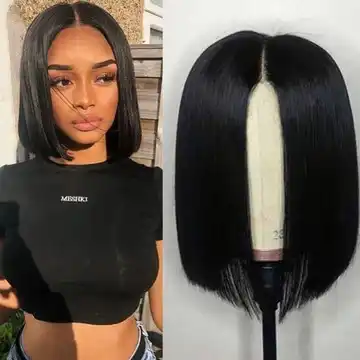
  • Bob Wigs offer timeless sophistication, balancing simplicity with versatility for any occasion.
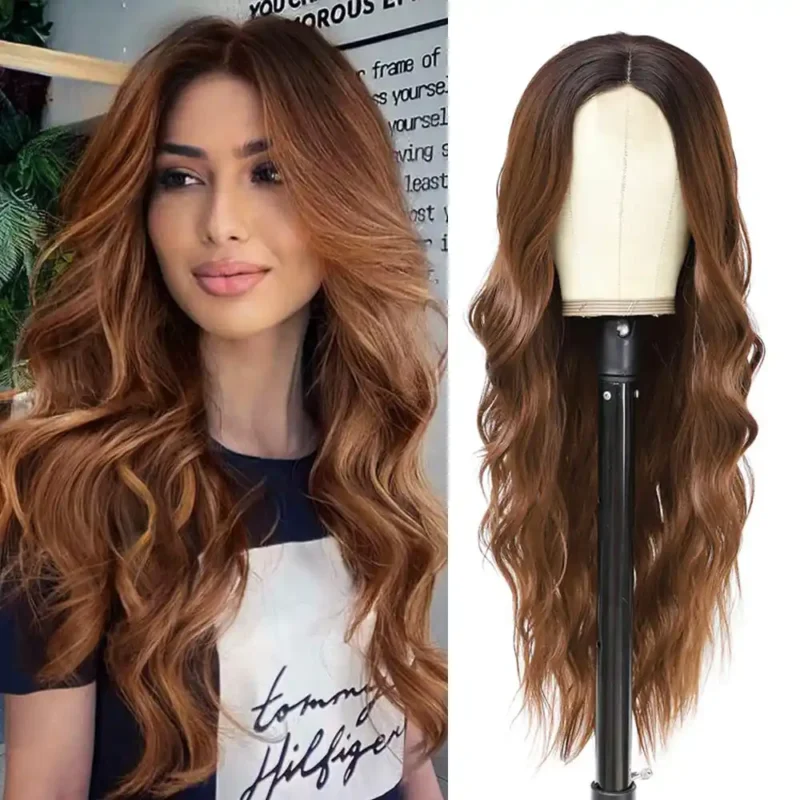
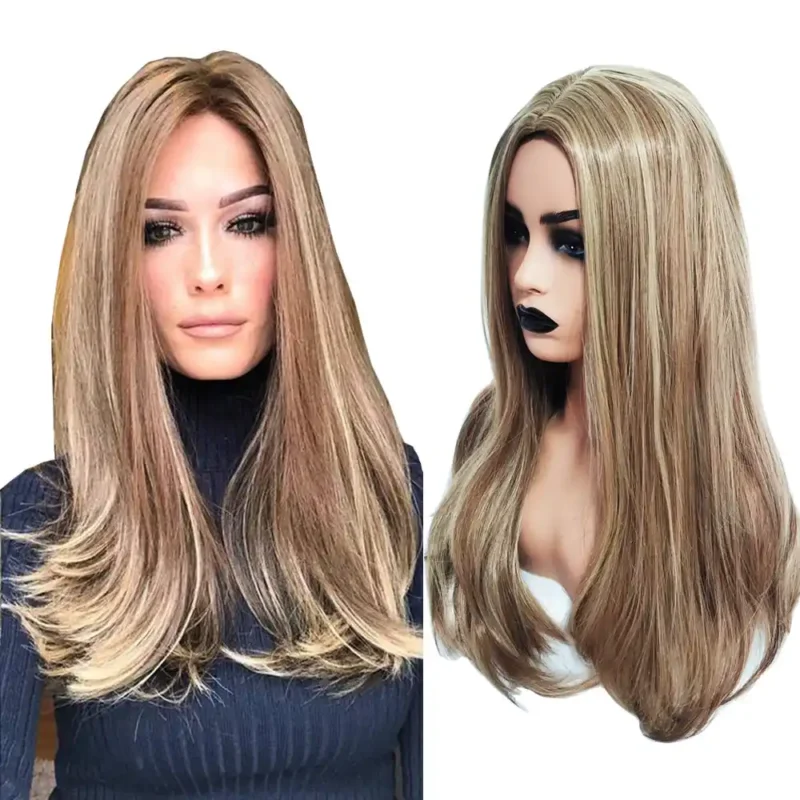
  • Layered Cut Wigs bring dimension and fluidity, giving the hair a dynamic, modern feel ideal for the changing season.

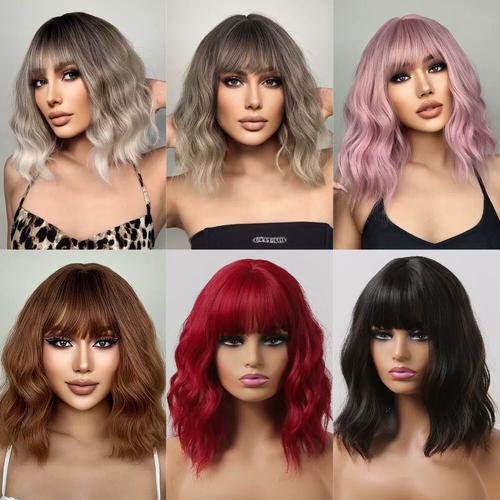
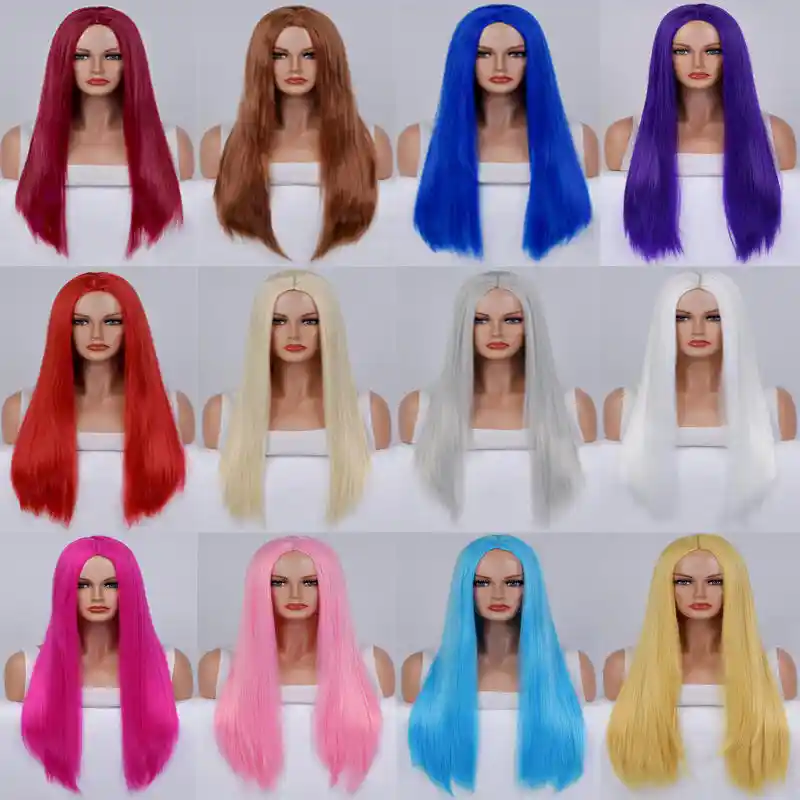
Color options also mirror the tones of autumn: blonde wigs add radiance to neutral wardrobes, grey wigs embody modern sophistication, and ginger hues reflect the warmth of falling leaves. “This collection represents confidence, protection, and creativity,” said Helena Lee, founder of Newladywigs Hair. “Our goal is to help customers embrace the season while maintaining healthy, beautiful hair.”

Inspiring Confidence Through Craftsmanship

Stories like that of Heather Cohen, owner of b.LUXE Hair and Makeup Studio, remind us of the emotional impact a well-made wig can have. After losing hair due to rheumatoid arthritis medication, Cohen began designing custom wigs to restore her confidence – and later, to help other women do the same. “When I made my first wig and put it on, my confidence skyrocketed,” she said. “I felt like myself again.”

Cohen now creates bespoke pieces for clients experiencing hair loss, including those undergoing cancer treatment. While high-quality wigs can be costly, she encourages clients to explore insurance options to offset expenses. Her mission aligns closely with Newladywigs’ philosophy – that wigs are not merely accessories, but tools for empowerment and self-expression.

Halloween and Holiday Promotions

To celebrate the season, Newladywigs Hair is hosting a Halloween 2025 promotion with discounts of up to 35% on select glueless wig collections through October 31st. The event features an array of designs ideal for festive celebrations and everyday wear.

Top picks include:

  • Fiery Red Glam – a bold red statement wig ideal for dramatic Halloween looks.
  • Mystical Violet Elegance – a luxurious purple tone perfect for regal or fantasy-inspired costumes.
  • Midnight Black Classic – a sleek bob with bangs that works with both gothic and modern styles.
  • Warm Ginger Glow – a rich autumnal hue that radiates warmth and pairs beautifully with earthy attire.

“Our Halloween promotion celebrates creativity and individuality,” said Helena Lee. “We want everyone to experience transformation – not only through costume but through confidence.”
Looking ahead, the brand will launch its Black Friday 2025 campaign, offering its lowest prices of the year on select collections.

Innovation in the Wig Industry: The Rise of The Renatural

While many beauty categories have evolved rapidly, the wig industry has remained relatively traditional – until now. The Renatural, founded by entrepreneur Aasiyah Abdulsalam, is reshaping the landscape through robotics and advanced materials. Her company manufactures human hair wigs in as little as 45 minutes, using a proprietary polymer hybrid base three times thinner than standard lace fronts, offering a hyper-realistic hairline and natural finish.

Abdulsalam, who began wearing wigs after developing scalp psoriasis as a child, envisions The Renatural as both a technology and beauty brand. “There’s a lot of anxiety around wigs,” she explained. “We want our products to feel like a breath of fresh air – effortless, innovative, and empowering.”

The startup’s debut collection features three signature styles priced between $950 and $1,950, appealing to everyone from casual users to professional performers. Backed by investors like Mark Cuban and Topicals co-founder Olamide Olowe, The Renatural has already attracted more than 40,000 sign-ups ahead of its launch. Its Brooklyn-based production aims to replace manual stitching with efficient, ethical automation.

The Future of Wig Design and Beauty Empowerment

According to Market Research Intellect (2024), the global human hair wigs and extensions market is projected to reach $9.3 billion by 2031, with steady growth fueled by innovation and inclusivity. Both Newladywigs and The Renatural reflect this evolution – one emphasizing artisanal craftsmanship and protective beauty, the other redefining production through cutting-edge technology.

Abdulsalam’s vision for The Renatural’s next chapter includes expanded production capacity, insurance partnerships, and community-building events. “Even if only a few hundred customers start with us, we want each experience to be exceptional,” she said. “Because confidence is contagious – one incredible experience leads to many more.”

As the beauty landscape continues to evolve, brands like Newladywigs and The Renatural demonstrate that wigs are no longer just hair solutions – they are powerful statements of identity, innovation, and self-assurance.