
Uncategorized
Is Braiding Hair Truly Safe?

Mar
In recent years, growing scrutiny of personal care products has extended beyond traditional cosmetics to include braiding hair—an essential component of protective styling widely used across diverse communities. Laboratory investigations conducted in 2025 and expanded in 2026 have revealed the presence of potentially hazardous substances in a wide range of braiding hair products, including synthetic fibers, human hair, and plant-based alternatives. These findings raise critical questions about product safety, long-term exposure, and the adequacy of existing regulatory frameworks.
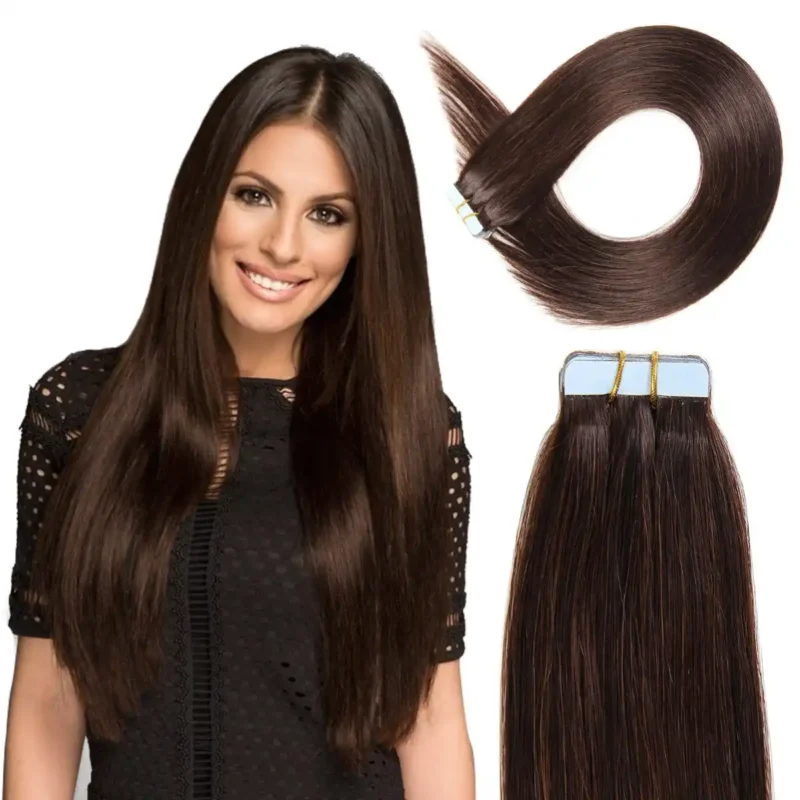
This article provides a comprehensive, technically grounded analysis of the available data, examining contamination profiles, exposure mechanisms, and broader industry implications.
Testing Methodology and Analytical Framework
To better understand potential risks, researchers evaluated 30 commercially available braiding hair products sourced from 29 brands. The selection included synthetic fibers, human hair, and plant-based materials marketed as safer alternatives. Each product underwent triplicate testing, resulting in 90 total samples to ensure statistical reliability.
The analytical scope focused on three primary categories:
Heavy metals: lead, arsenic, and cadmium
Volatile organic compounds (VOCs): a panel of 65 chemical compounds
Microbiological contaminants: bacteria and potential pathogens
A key aspect of the methodology was the adoption of a hand-to-mouth exposure model, designed to simulate realistic usage conditions during braiding. This approach reflects common behaviors observed in both professional and at-home styling environments, including prolonged manual handling and incidental contact with the face or mouth. While not exhaustive of all exposure routes, this model provides a conservative baseline for risk estimation.
Prevalence of Contaminants Across Product Categories
The findings indicate that contamination is not limited to a specific material type but is instead widespread across all categories tested.
Heavy metals were detected in 29 of the 30 products analyzed, with lead present in nearly every sample. Notably, human hair products exhibited the highest concentrations, challenging the common perception that they represent a safer alternative to synthetic fibers. Only one product demonstrated no detectable levels of the tested metals, suggesting that contamination is avoidable but not yet industry standard.
In parallel, all products contained measurable levels of VOCs. Among the compounds identified were benzene, dichloromethane, and toluene—substances associated with carcinogenicity, neurotoxicity, and respiratory irritation. Although most detected concentrations fell below established reference thresholds, their universal presence underscores systemic exposure potential.
Synthetic Fibers
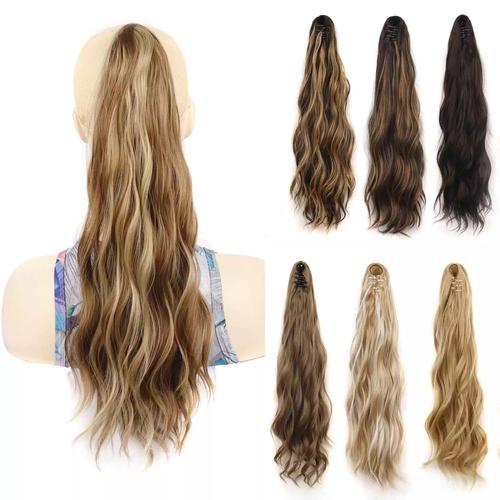
Synthetic braiding hair, typically derived from petrochemical polymers, displayed variable heavy metal content. While some products demonstrated comparatively lower levels, the presence of VOCs remained consistent across all samples. These compounds may originate from manufacturing processes, chemical treatments, or residual solvents embedded within the fiber matrix.
Human Hair
Human hair emerged as the most concerning category in terms of heavy metal accumulation, particularly lead. This phenomenon can be attributed to the biological properties of hair fibers, which readily absorb and retain contaminants through both internal (bloodstream) and external (environmental) pathways.
Given that much of the global human hair supply originates from regions with varying environmental and industrial standards, contamination may reflect exposure to polluted air, water, cosmetics, or occupational hazards prior to collection. Without rigorous post-harvest purification protocols, these contaminants persist in the final product.
Plant-Based Alternatives
Plant-derived fibers, often marketed as eco-friendly or non-toxic, were not exempt from contamination. Trace levels of heavy metals were detected in several samples, likely due to soil composition, agricultural inputs, or environmental pollution. This finding highlights the limitations of material substitution as a standalone safety strategy.
Toxicological Implications
The presence of heavy metals and VOCs carries well-documented health implications, particularly under conditions of repeated or prolonged exposure.
Lead, for example, is a cumulative toxicant with no established safe exposure threshold. Chronic exposure has been linked to neurological impairment, cardiovascular disease, kidney dysfunction, and reproductive toxicity. Arsenic, classified as a human carcinogen, is associated with pulmonary, dermatological, and systemic health effects. Cadmium exposure can result in renal damage and skeletal degradation.
VOCs, meanwhile, present both acute and chronic risks. Short-term exposure may cause irritation of the eyes, skin, and respiratory tract, while long-term exposure to certain compounds—including benzene—has been associated with cancer and central nervous system damage. Importantly, the emission of VOCs can increase when hair is subjected to heat during styling, amplifying inhalation risks for both users and stylists.
Multiple Exposure Pathways
While ingestion-based modeling provides a useful reference point, real-world exposure is multifaceted. Individuals using braided hair may encounter contaminants through several pathways:
Dermal absorption from continuous contact with the scalp and skin
Inhalation of airborne compounds released during heating or manipulation
Hand-to-mouth transfer during installation or maintenance
Enhanced absorption through compromised skin barriers caused by tight braiding
These pathways operate simultaneously, contributing to cumulative exposure over extended periods. Given that braiding styles are often worn for weeks or months, the duration of contact further compounds potential risk.
Cumulative Exposure and Risk Assessment
A critical consideration in evaluating safety is the concept of cumulative exposure. Braiding hair does not exist in isolation; it represents one of many potential sources of chemical contact in daily life. When combined with exposure from food, air, water, and other personal care products, even low-level contaminants may contribute to an elevated overall burden.
This cumulative perspective complicates risk assessment, as it challenges the adequacy of evaluating individual products based solely on isolated exposure thresholds. It also underscores the importance of minimizing avoidable sources of contamination wherever possible.
Regulatory Gaps and International Comparisons
The regulatory landscape governing braiding hair remains fragmented and, in many cases, insufficient. In the United States, cosmetic regulations restrict a relatively small number of substances, and oversight of hair extensions and wigs is limited.
By contrast, the European Union has implemented far more stringent standards, banning over 1,300 chemicals from use in cosmetics and personal care products. These include many substances identified in braiding hair analyses, such as certain heavy metals and volatile compounds.
California’s Proposition 65 represents a partial step toward increased transparency, requiring businesses to disclose exposure to chemicals known to cause cancer or reproductive harm. Evidence suggests that such regulations can drive industry-wide reform, as manufacturers adjust formulations to maintain market access.
Industry Response and Ongoing Challenges
In response to recent findings, many manufacturers have emphasized that detected contaminants are not intentionally added but rather occur at trace levels due to environmental or material factors. Some companies have initiated expanded testing protocols, improved supplier oversight, and increased transparency regarding product composition.
However, the absence of standardized testing methodologies and regulatory benchmarks continues to hinder meaningful comparison across products. Additionally, discrepancies between ingestion-based and dermal exposure models highlight the need for more comprehensive risk assessment frameworks.
Risk Mitigation Strategies for Consumers and Professionals
Pending stronger regulatory oversight, individuals can take practical steps to reduce exposure:
Selecting products with comparatively lower reported contaminant levels
Avoiding heat-intensive styling methods that may release VOCs
Ensuring adequate ventilation during installation
Using protective barriers, such as gloves, when handling hair fibers
Limiting the duration of continuous wear and allowing recovery periods between styles
Avoiding practices that involve placing hair in the mouth
While these measures cannot eliminate risk entirely, they can significantly reduce exposure across multiple pathways.
The current body of evidence indicates that contamination in braiding hair products is widespread, affecting synthetic, human, and plant-based materials alike. Although detected levels may not always exceed regulatory thresholds, the combination of prolonged exposure, multiple contact pathways, and cumulative effects presents a complex and unresolved safety challenge.
The issue extends beyond individual product choices to encompass broader systemic concerns, including global supply chains, manufacturing practices, and regulatory limitations. Addressing these challenges will require coordinated efforts among industry stakeholders, policymakers, and independent researchers.
Until such changes are realized, consumers and professionals must navigate an environment where product safety is variable, transparency is evolving, and definitive conclusions remain elusive.
